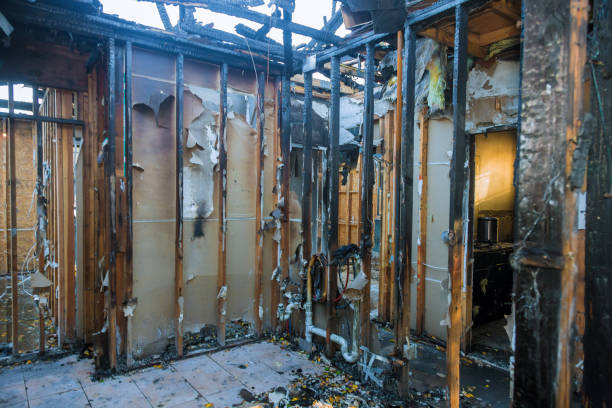
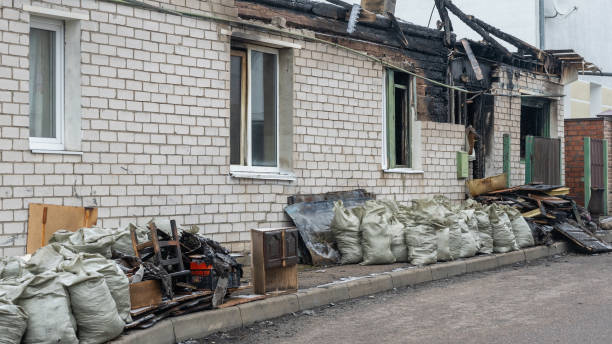
Emergency Fire Cleanup means someone is already on the way to your Washington, NJ property while the fire department is still finishing their report — not scheduled in for next week.
📞 Call +1-866-484-1409 Now
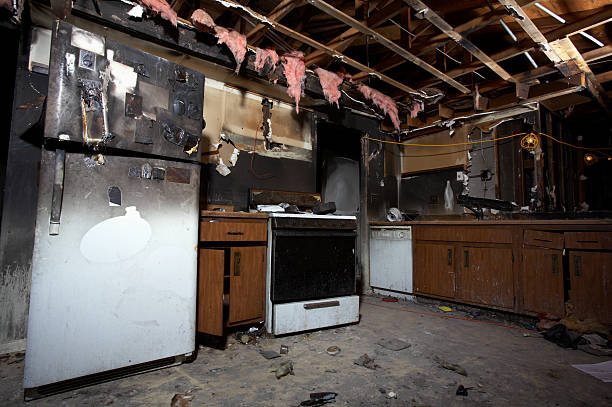
Washington, NJ crews are staged locally so arrival typically happens within 60 minutes.
Structural safety and electrical hazards get checked before anyone re-enters the Washington, NJ property.
Extraction happens as part of the emergency scope, not a follow-up appointment.
A written price before any debris removal or extraction begins in Washington, NJ.

We flag anything that needs a structural engineer before continuing with cleanup.
Removing bulk debris early speeds up every step that follows.
Extraction equipment runs on the same visit as the initial hazard check.
Board-up happens as part of the emergency scope, included in the same dispatch.
Compromised roof sections covered to stop further water and weather damage.
Photos and initial damage notes captured for your insurance file before anything is moved.
A technician answers and mobilizes the nearest crew.
Mobile units carry board-up materials and tarping on every truck.
You approve the emergency scope before debris removal starts.
We hand off a stabilized property and a plan for what comes next.
"They were boarding up our broken window before the fire marshal had even finished the report. That kind of speed mattered a lot that night." — Homeowner, Washington
"Getting the firefighting water extracted immediately kept a bad night from becoming a much worse week." — Homeowner, Washington, NJ
"The hazard check before re-entry was something we hadn't thought about ourselves — glad they caught it." — Homeowner, Washington
Same-hour dispatch is standard for emergency calls across Washington, NJ.
We recommend waiting for a hazard check, especially if there's visible structural or electrical damage.
Board-up and tarping happen on the same visit as the initial response.
Extraction is treated as urgent, not scheduled for a later appointment.
Yes, photos and notes are captured during the emergency response itself.
We outline next steps — typically mitigation and, if needed, reconstruction.
We keep emergency response times short across Washington because the first hours after a fire matter most.